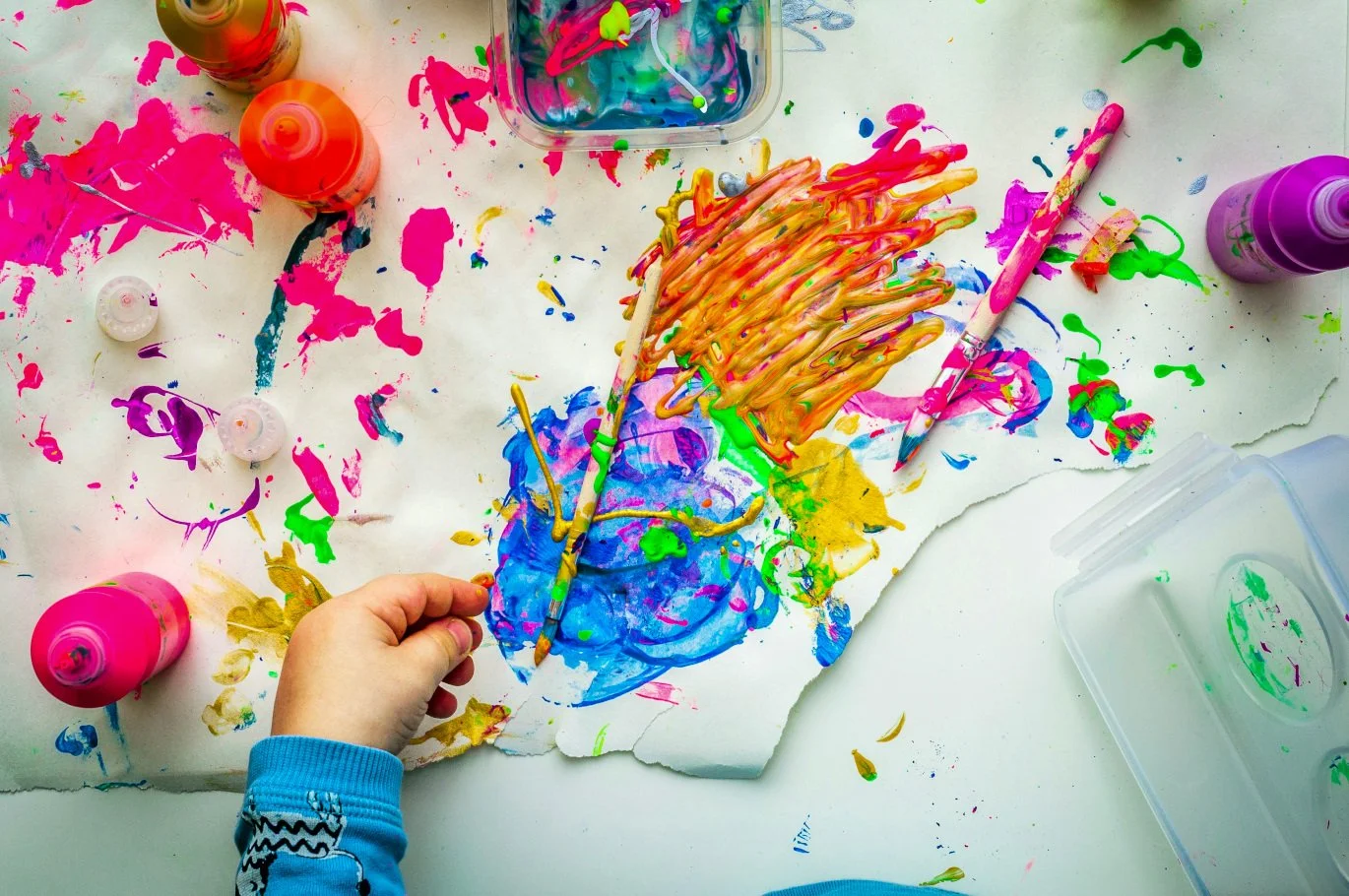
What Creativity Really Is And Why You’re Using It Every Day Without Realising
The Hidden Creativity Behind Your Daily Decisions
Hi there,
You asked me the other day what creativity really is. Not in the abstract, artsy, mysterious sense, but in the practical “how does this actually show up in my life?” sense. And the funny thing is, creativity is one of those forces we talk about all the time without ever stopping to define it properly. We imagine creativity as the domain of artists, designers, musicians, or writers, but the truth is much simpler:
Creativity is the ability to create options.
It’s the process of taking what exists and imagining what could exist. It could be an idea, a solution, a workaround, an expression, or a bridge between two unrelated things.
So I thought I’d write you something longer, something worth saving and coming back to, because the more you understand creativity, the more you start seeing it everywhere such as in your thinking, in your relationships, in your problem-solving, in your confidence, and in the choices you make about your life.
Let’s break it down together.
Creativity Isn’t About Art, It’s About Thought
Most people confuse creativity with artistic talent. But art is only one output of the creative process. Creativity itself is much deeper and much older.
Creativity is:
imagining alternatives
solving problems
experimenting with ideas
making intuitive leaps
rearranging old pieces into new patterns
seeing connections others don’t see
expressing something internal outwardly
In prehistoric times, creativity was what helped humans survive: invent tools, create languages, build shelters, and solve problems with limited resources. It wasn’t about painting, it was about living.
Today, we’ve simply expanded what we do with it.
The Different Forms of Creativity (And Why You Probably Use Them All)
There isn’t just one kind of creativity. In fact, psychologists usually categorise it into different types. Here are the ones most of us use:
1. Practical Creativity
This is everyday problem-solving.
Finding a shortcut. Reorganising a room. Fixing something with what you have.
People underestimate this, but it’s massive.
2. Social Creativity
Understanding people.
Finding the right words in a tense situation.
Mediating differences.
Navigating relationships creatively is a real skill.
3. Innovative Creativity
Inventing new methods, systems, or technologies.
This is the domain of inventors, engineers, and entrepreneurs.
4. Artistic Creativity
Painting, music, writing, design, dance are the expressive forms.
5. Strategic Creativity
Seeing patterns years ahead.
Connecting dots.
Planning.
Great leaders, organisers, and problem-solvers use this.
6. Emotional Creativity
Finding new ways to process, channel, and express emotions.
7. Collaborative Creativity
Group ideation, teamwork, brainstorming, combining abilities.
Once you see these categories, you start realising:
you’re already creative, just maybe not in the way you thought.
Why Creativity Is Essential for a Healthy and Meaningful Life
People think creativity is optional, but it’s actually a survival tool in the modern world. Here’s why:
1. Creativity Reduces Stress
Problem-solving gives you a sense of control.
Expression gives your emotions somewhere to go.
Making things makes you feel capable and alive.
2. Creativity Improves Mental Flexibility
Rigid minds break; flexible minds adapt.
Creativity teaches adaptability and resilience.
3. Creativity Builds Confidence
Coming up with ideas and solutions makes you trust your own mind.
And confidence feeds every area of life.
4. Creativity Strengthens Relationships
Social creativity helps you communicate clearly, listen deeply, and respond with emotional intelligence.
5. Creativity Helps You Navigate Uncertainty
The world changes fast.
Creativity lets you adjust, rethink, reinvent, and grow.
6. Creativity Connects You to Yourself
Whether through journaling, drawing, music, brainstorming, or simply imagining possibilities, creativity helps you articulate who you are.
7. Creativity Builds Community
Shared projects, group problem-solving, innovation, music, writing, volunteering, all of these bond people.
Creativity isn’t optional. It’s foundational.
Signs That Your Life Needs More Creativity
People often sense something’s “off” before they realise creativity is missing.
Here are a few signs:
You feel stuck
Your routine feels stale or repetitive
You’re bored more often
You feel disconnected from yourself
Decisions feel harder
You have ideas but no energy
You’ve stopped exploring or imagining
If any of these resonate, it’s not a failure, it’s a signal.
Your mind is asking for more creative expression, expansion, and flexibility.
How to Become More Creative (Even if You Think You’re Not Creative)
Creativity isn’t a talent. It’s a muscle.
Here are practical ways to build it:
1. Ask “What if?” questions daily
Creativity begins with curiosity.
What if I tried this differently?
What if I combined these two ideas?
What if I changed the order?
This simple habit can transform your thinking.
2. Start noticing patterns
Creativity is pattern recognition: connections between unrelated things.
Pay attention to:
similarities
contrasts
metaphors
repeating ideas
emotional triggers
environmental cues
This strengthens intuitive thinking.
3. Capture ideas when they come
Creativity hates being ignored.
Use a notes app, voice memo, or a small notebook.
Ideas cluster, writing one down brings three more.
4. Create something small every day
Creativity builds through action, not intention.
Try:
one paragraph
one sketch
one photo
one small solution
one new idea
one re-framed problem
Small daily acts compound into creative confidence.
5. Change your environment regularly
Your brain needs novelty.
Move furniture.
Take a different route.
Visit a new café.
Work in a new room.
Listen to unfamiliar music.
Small environmental shifts unlock new mental pathways.
6. Allow yourself to experiment without outcomes
Creativity dies when perfectionism enters the room.
Give yourself permission to:
play
explore
try messy drafts
fail forward
test ideas without expectation
Creativity is process, not product.
How to Be Creative in Your Community
Creativity isn’t only personal. It’s also communal.
Here are simple ways to become creatively active locally:
join a writing group
participate in community art projects
volunteer to run workshops
collaborate on local events
create digital content with local topics
help others brainstorm solutions
mentor younger creatives
attend meetups, open mics, or makers’ markets
Community creativity builds belonging, purpose, and shared identity.
Final Thoughts
If you were reading this as an email from me, I’d end with this:
Creativity isn’t something you “have” or “don’t have.”
It’s something you use, every single day, often without noticing.
It’s the engine behind your ideas, decisions, relationships, and personal growth.
The more you nurture it, the more alive, connected, and capable you become.
And if you ever want help exploring a particular creative project or direction, just reply. I’m always happy to help you think it through.
Talk soon,
Greg
Related Stories