Mastering Your Personal Growth: A Step-by-Step Guide
How to Take Control of Your Personal Development Journey
I’ve been thinking a lot about personal development recently, and I wanted to share some insights with you in a way that’s practical and actionable. Many people believe personal growth is something that just happens over time, but the truth is, it’s a deliberate process. It’s about understanding yourself, setting meaningful goals, and consistently taking steps to become the best version of yourself.
Here’s a step-by-step guide to help you structure your personal development plan and make real progress.
1. Start With Self-Awareness
Before you can grow, you need to know yourself. Self-awareness is the foundation of personal development. Ask yourself:
What are my natural strengths?
Where do I struggle or feel blocked?
What values are most important to me?
What kind of life or career do I want?
You can build self-awareness by journaling, taking personality assessments, reflecting on past experiences, or asking trusted friends and mentors for feedback. The more honest you are with yourself, the clearer your path will become.
2. Define Clear Goals
Once you know yourself, it’s time to set goals. Not just vague ones like “I want to be better,” but specific, measurable goals:
Short-term: Skills to develop this month or quarter.
Medium-term: Achievements to hit within a year.
Long-term: Life vision or milestones over 5–10 years.
A well-structured personal development plan gives you direction and helps you measure progress.
3. Break Goals Into Actionable Steps
Even the most ambitious goal can be overwhelming if you don’t break it down. For example: if your goal is to improve public speaking:
Week 1: Watch and analyse great speakers.
Week 2: Practice speaking in front of a mirror or recording yourself.
Week 3: Join a local speaking club.
Week 4: Give your first short presentation.
Breaking goals into manageable steps ensures momentum, builds confidence, and makes growth sustainable.
4. Build Daily Habits That Support Growth
Habits are the engine behind personal development. Identify small, consistent actions that reinforce your goals. For instance:
Reading for 20 minutes daily
Journaling reflections each night
Practicing a skill for 15–30 minutes
Exercising or meditating regularly
Consistency matters more than intensity. Small, repeated actions compound into big results over time.
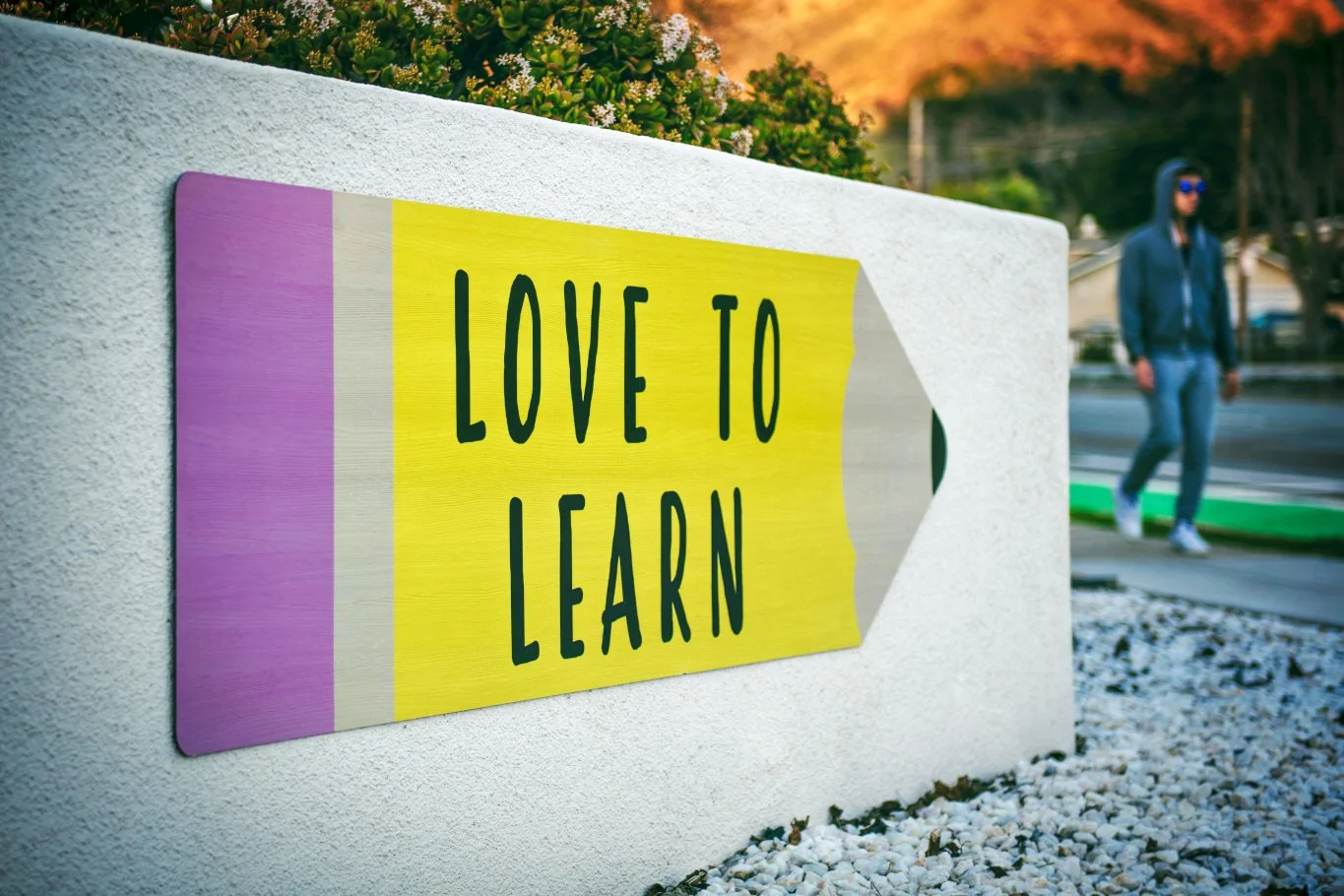
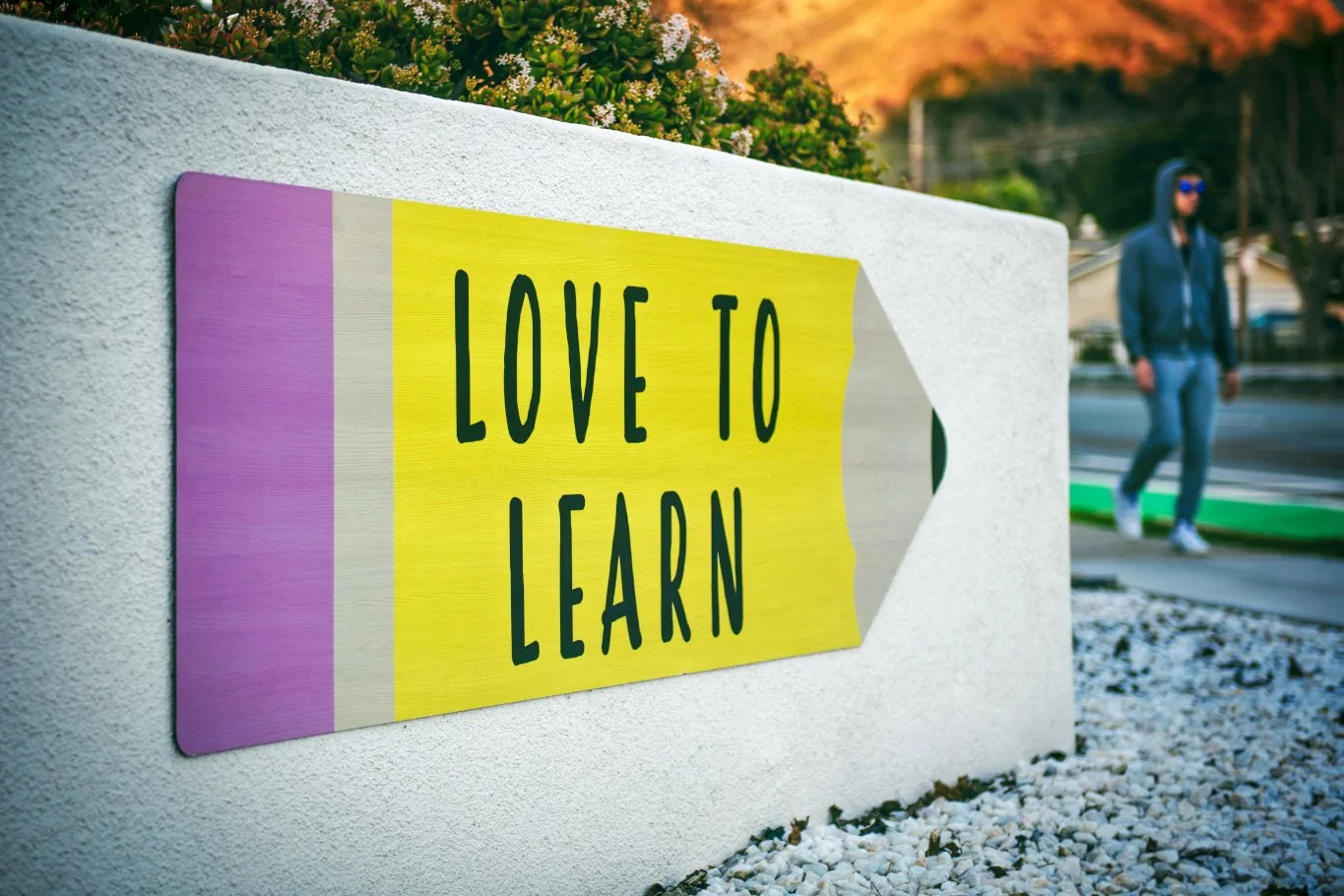
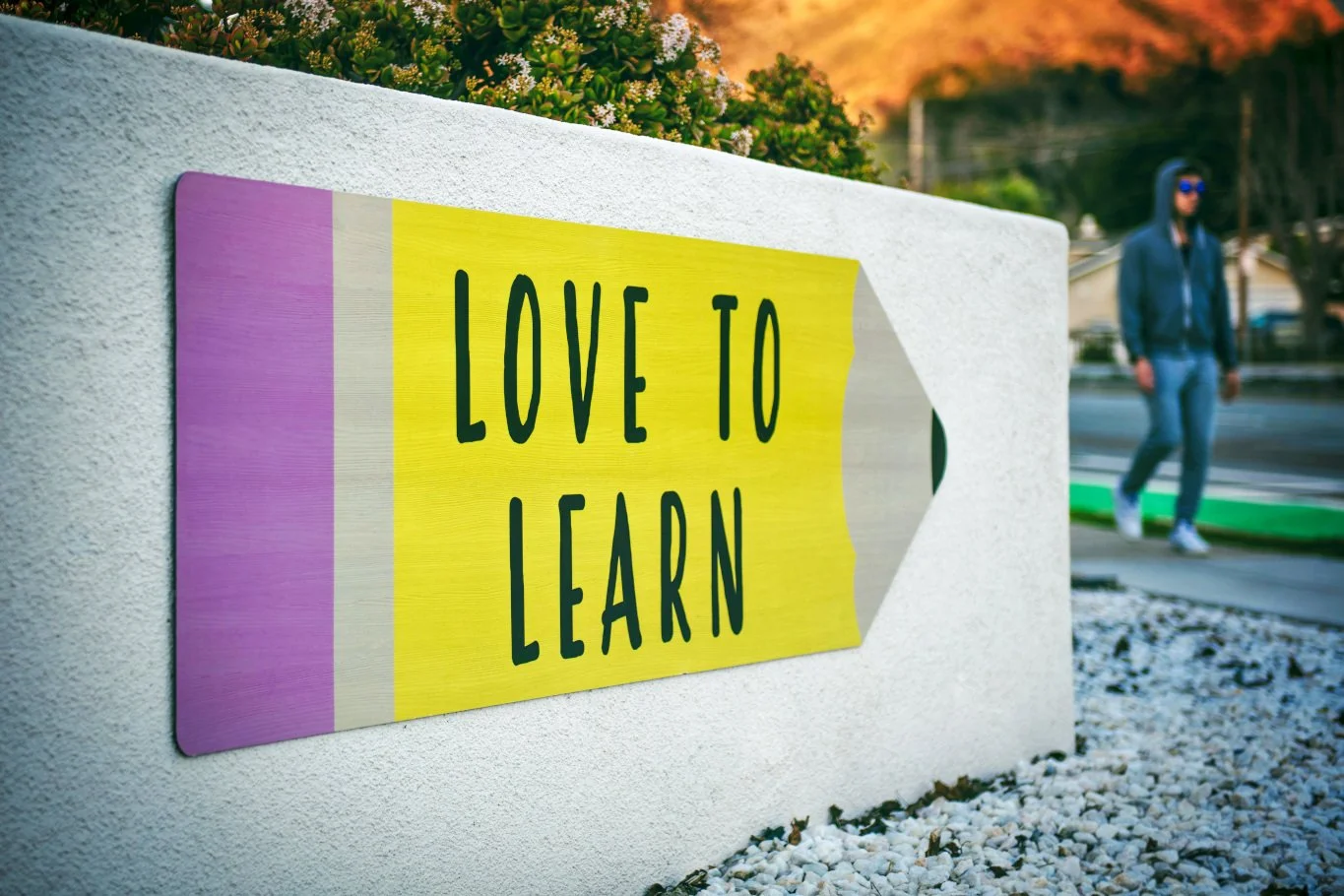
5. Embrace Continuous Learning
Personal development isn’t just about achieving goals. It’s about being a lifelong learner. Stay curious and open to new knowledge:
Read books or articles in your field or interest areas.
Take online courses.
Attend workshops, webinars, or conferences.
Seek mentorship or coaching.
Every new insight or skill adds to your personal growth toolkit.
6. Learn From Feedback and Failure
Growth often comes from uncomfortable experiences. Embrace feedback and mistakes as opportunities to improve:
Ask for constructive criticism regularly.
Reflect on what went wrong and why.
Adjust your approach, don’t give up.
Resilience is a core component of personal development. The ability to adapt and keep moving forward after setbacks separates those who plateau from those who thrive.
7. Maintain a Balanced Approach
Personal development isn’t just about professional success or skill mastery. Balance is key:
Physical health: Exercise, sleep, nutrition
Mental health: Mindfulness, therapy, stress management
Relationships: Family, friends, mentors
Creativity: Hobbies, exploration, play
A well-rounded life ensures sustainable growth and keeps you motivated over the long term.
8. Track Progress and Celebrate Wins
It’s important to measure your progress, both for motivation and clarity:
Keep a journal of accomplishments and lessons learned.
Celebrate small wins because they reinforce positive behaviour.
Reassess your goals periodically and adjust as needed.
Seeing how far you’ve come keeps your momentum alive and reminds you why your journey matters.
9. Build Your Support System
No one grows in isolation. Surround yourself with people who challenge, encourage, and inspire you. Find mentors, peer groups, or accountability partners who understand your goals and can provide guidance.
10. Commit to Long-Term Growth
Finally, remember that personal development is a lifelong journey. There’s no finish line. Success comes from consistent effort, reflection, and a willingness to step out of your comfort zone.
Take time every month to reflect on your growth, adjust your plan, and set new challenges. The more intentional you are, the faster you’ll reach your potential.
In Closing
If you want to make real personal development progress, it’s about clarity, action, consistency, and reflection. Start small, stay committed, and remember that growth is a journey, not a destination.
I hope this gives you a practical roadmap to start your personal development journey.
Talk soon,
Greg
Related Stories